
In the 21st century, the lines between mechanical engineering and digital technology have completely blurred. A modern vehicle is no longer just an assembly of pistons, gears, and steel; it is a rolling supercomputer. Conversely, the digital systems designed to protect our data have had to become as resilient and adaptive as the high-performance machines they shield.
By examining three distinct pillars of modern innovation—BMW’s iDrive interface, the legendary Ford Mustang, and Avast’s cybersecurity ecosystem—we can map the incredible journey of how human beings interact with power, control, and security.
1. BMW iDrive: Redefining the Human-Machine Interface
The Radical Shift from Buttons to Screen
At the turn of the millennium, automotive dashboards were becoming cluttered nightmares. Luxury vehicles were adding navigation, premium sound systems, and complex climate controls, resulting in a chaotic sea of plastic buttons. In 2001, BMW introduced a radical solution with the launch of iDrive on the E65 7 Series.
The concept was simple yet revolutionary: consolidate every secondary vehicle function into a single central monitor controlled by a rotary knob on the center console. While the initial iteration was heavily criticized for being sluggish and overly complicated, it laid the groundwork for the modern digital cockpit.
The Modern Curved Display and Multimodal Control
Today, BMW iDrive has evolved into a masterclass in user experience design. The latest versions feature the BMW Curved Display, which seamlessly unites a 12.3-inch instrument cluster with a 14.9-inch infotainment screen.
Drivers are no longer limited to a physical knob. Modern iDrive utilizes a multimodal interface:
- Tactile Feedback: The iconic rotary controller remains for eyes-free navigation.
- Natural Voice Command: The BMW Intelligent Personal Assistant responds to casual phrases like “Hey BMW, I’m cold” to adjust the climate.
- Gesture Control: Simple hand waves in mid-air can adjust audio volume or reject incoming calls.
By combining deep personalization through unique BMW IDs with wireless smartphone integration, iDrive has transformed the dashboard from a static tool into an adaptive digital companion.
2. The Ford Mustang: Democratizing Raw Performance
The Birth of the Pony Car
While BMW approached the automotive world through the lens of structured luxury and premium technology, Ford captured the global imagination using raw emotion and accessible power. On April 17, 1964, Ford introduced the Mustang at the New York World’s Fair, inadvertently creating an entirely new automotive segment: the “Pony Car.”
The formula was brilliant: give a car a long, aggressive hood, a short rear deck, and an incredibly affordable price tag. Crucially, Ford offered an extensive options list. A buyer could configure their Mustang as a mild-mannered commuter, a stylish weekend cruiser, or a fire-breathing, V8-powered street machine.
The Elements of a Legend
Through seven generations, the Mustang has undergone radical stylistic transformations—from the beloved 1968 Fastbacks popularized by Hollywood to the lightweight “Fox Body” era of the 1980s. Yet, its core DNA has remained remarkably untouched:
- Rear-Wheel Drive (RWD): Ensuring dynamic, engaging handling.
- The V8 Rumble: The legendary “Coyote” 5.0-liter V8 engine provides the acoustic soundtrack to American muscle performance.
- High Performance-per-Dollar: The Mustang remains an attainable dream car for enthusiasts worldwide.
Even in its most modern iterations, which feature massive digital dashboards reminiscent of premium tech suites, the Mustang maintains its soul by continuing to offer a mechanical six-speed manual transmission alongside its cutting-edge driver aids.
3. Avast: Safeguarding the Modern Digital Ecosystem
The Freemium Revolution in Cyber Safety
As cars became smarter and our lives migrated entirely online, a different kind of engine became necessary: the security engine. Founded in Prague in 1988, Avast grew from a small local cooperative into a global cybersecurity juggernaut by fundamentally changing how software was distributed.
In 2001, Avast introduced its “freemium” model, giving away robust, real-time antivirus protection for free to consumer users. This wasn’t just philanthropy; it was a brilliant architectural strategy. By building a massive user base of hundreds of millions of people, Avast created a vast, decentralized threat-detection network. Today, when a computer in one corner of the world encounters a new piece of malware, Avast’s AI-driven systems analyze it and instantly deploy a defense shield to millions of other users simultaneously.
Total Digital Protection: Beyond the Antivirus
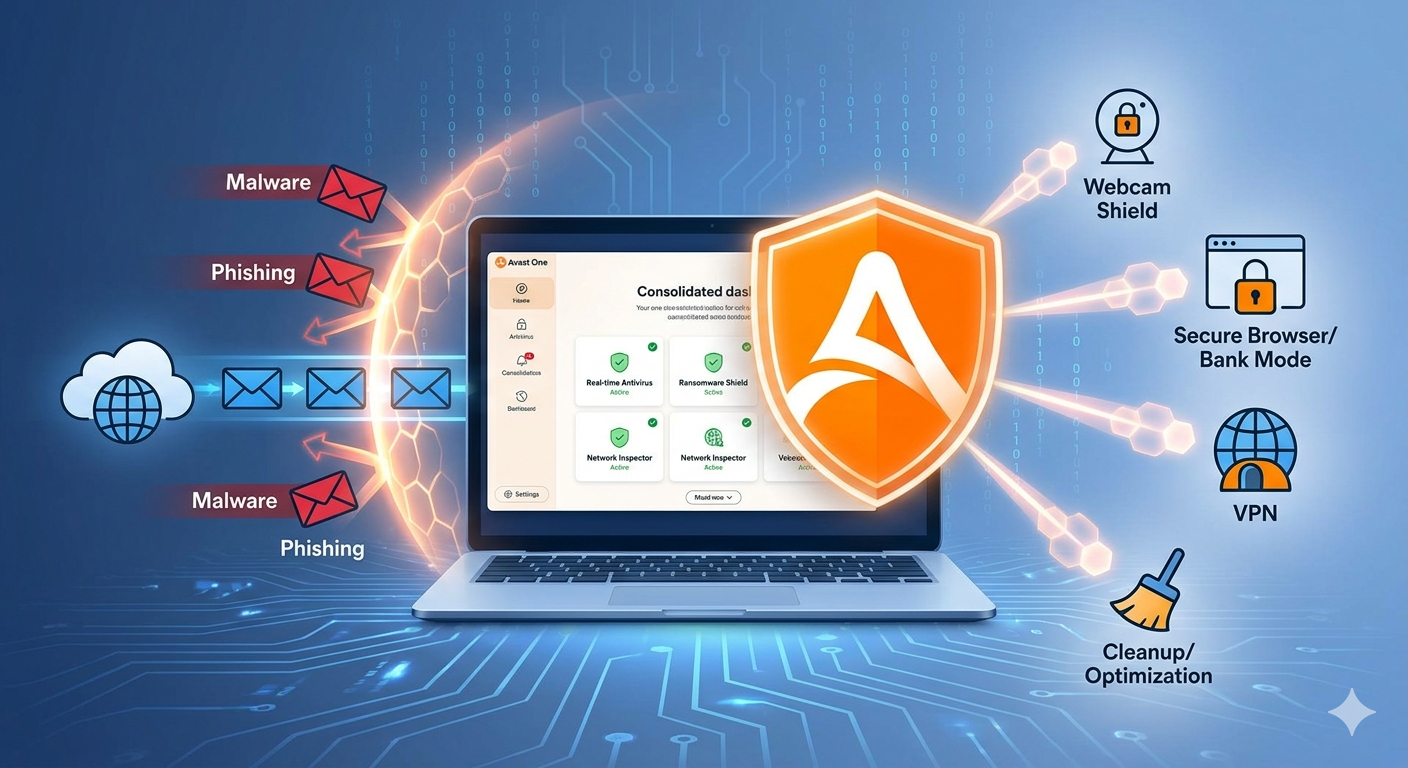
In the modern threat landscape, hackers no longer just target local files with viruses; they target digital identities, home networks, and personal privacy. Avast has adapted by expanding its ecosystem into a comprehensive suite of tools, seamlessly packaged into platforms like Avast One:
- Privacy via VPN: SecureLine VPN encrypts internet traffic, protecting users on public Wi-Fi networks.
- Webcam and Ransomware Shields: These tools prevent unauthorized applications from spying on users or locking up precious personal data.
- System Optimization: Cleanup Premium ensures that devices operate smoothly by purging digital junk and patching software vulnerabilities.
Now a key pillar of Gen Digital (following its merger with NortonLifeLock), Avast protects millions of endpoints globally, ensuring that our interconnected lives remain secure from ever-evolving digital threats.
Conclusion: The Unified Future of Innovation
Whether navigating a complex highway via BMW’s iDrive, feeling the raw mechanical acceleration of a Ford Mustang, or browsing the web under the silent protection of Avast, the underlying human desire remains the same: the pursuit of seamless, powerful, and secure experiences. As artificial intelligence, automotive engineering, and cyber safety continue to merge, the technologies we rely on will only become more intuitive, protecting our journeys both on the physical tarmac and across the digital frontier.
Also Read: The Concept of Hunda: Meaning, Mystery, and the Majestic Blue Heron
Source: Avast | Download Free Antivirus for PC, Mac & Android